

When a dog tilts its head, it’s hard not to feel your heart melt instantly. This adorable gesture has sparked countless memes, videos, and “aww” moments worldwide. But why do dogs tilt their heads, and what makes it so irresistibly cute? As it turns out, there’s more to this charming behavior than just looking pretty. Dogs tilt their heads for practical reasons, like improving their hearing and emotional abilities, like connecting with their favorite humans. It’s a perfect mix of function and fun, making us love them even more.
Improving Their Hearing

Dogs have an extraordinary sense of hearing, but even they sometimes need a little help. Tilting their heads allows them to adjust the angle of their ears to locate a sound better. Whether it’s the faint jingle of their leash, the rustling of a treat bag, or your voice calling their name, this movement helps them pinpoint the source. This adjustment enhances their ability to understand their environment and respond appropriately. So, the next time your dog tilts its head while you’re talking, know that they’re probably tuning in like the loyal listener they are.
Trying to Understand Human Speech

Dogs are experts at picking up on our tone, words, and body language. When they tilt their heads, it might be their way of concentrating and trying to understand what we’re saying. This gesture often happens when they hear a word they recognize, like “walk” or “treat.” The tilt might indicate they’re trying to connect the dots between your words and what you want them to do. It’s their adorable way of saying, “I’m listening—now, what’s the plan?”
Enhancing Their Vision

Sometimes, a dog’s head tilt isn’t about hearing but seeing. Dogs with longer muzzles might tilt their heads to understand better what’s in front of them. This movement helps them see past their snouts and focus on specific objects or facial expressions. It’s how they adjust their perspective to fully engage with what’s happening around them. In this sense, the tilt is as practical as it is cute.
Reacting to Curiosity

Dogs are naturally curious creatures. Their tilted heads often signal their fascination with something unusual, like a new sound or an unfamiliar object. This movement can be part of their investigative process when they encounter something puzzling. It’s their way of saying, “What is that, and why does it exist?” This curiosity-driven behavior showcases their intelligence and desire to understand the world around them.
Seeking Positive Reinforcement

Sometimes, dogs tilt their heads because they’ve learned it gets a positive reaction from their humans. If every head tilt has been met with a smile, laugh, or extra cuddle, they’ll likely repeat it. Dogs are excellent at picking up on patterns, and if tilting their heads brings them affection or rewards, you can bet they’ll keep doing it. It’s a classic case of them training us while we think we’re training them.
Expressing Empathy

Dogs are incredibly attuned to human emotions. A head tilt might indicate they’re trying to comfort or connect with you when you’re upset or stressed. This gesture often accompanies soulful eyes and gentle body language, showing they’re in tune with your feelings. Their way of saying, “I’m here for you,” makes the behavior more heartwarming.
Responding to Strange Noises

Unfamiliar sounds often trigger a dog’s head tilt. Dogs use this gesture to figure out what’s going on, whether it’s a doorbell, a musical instrument, or a high-pitched whistle. Tilting their heads helps them isolate and analyze the sound, allowing them to decide whether it’s a threat, a treat, or something weird. Their alertness during these moments highlights their natural instincts and curiosity.
Mimicking Human Behavior

Dogs are great imitators, and their head tilt might be a way of mirroring our own movements. If they see you cock your head while talking or reacting to something, they might mimic the gesture. This mirroring behavior is one of the ways dogs bond with their humans, showing their desire to be in sync with us. It’s like they’re saying, “I’m just like you!”
Communicating Nonverbally
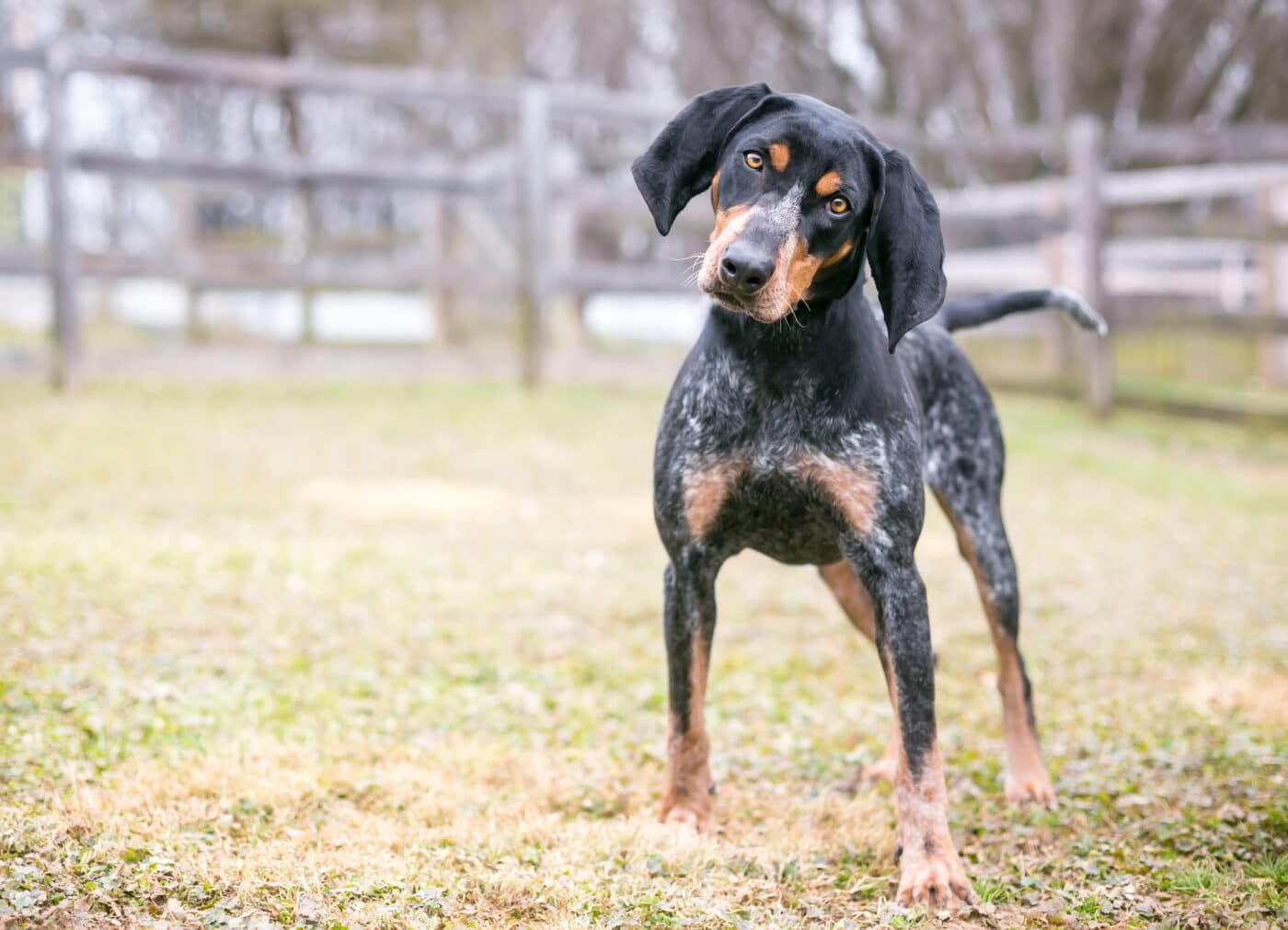
Dogs rely heavily on nonverbal communication; a head tilt is one of their most expressive tools. This gesture can convey various emotions, from confusion and curiosity to excitement and anticipation. It’s a subtle way for them to “talk” without barking, helping them connect with their humans more deeply. Every tilt tells a story, and it’s up to us to interpret it.
Adjusting for Better Sound Quality

Some experts believe dogs tilt their heads to adjust the position of their ear canals, improving how they perceive sounds. This is especially common in breeds with floppy ears, as the tilt helps move their ears into a better position for hearing. It’s like a doggy version of adjusting headphones for the perfect sound quality.
It’s Just Pure Habit
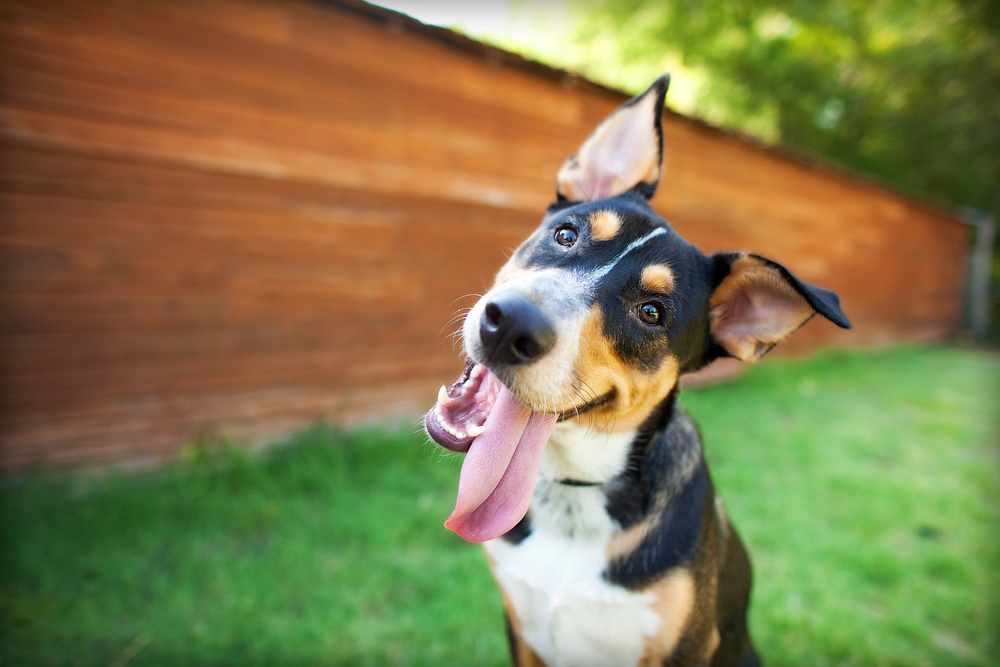
For some dogs, head tilting might be a habit they’ve developed over time. It could have started with curiosity or positive reinforcement and eventually became a part of their regular behavior. While it might not always have a specific purpose, we’re more than happy to encourage it because it’s endearing.
The Tilt Heard Around the World

No matter the reason behind your dog’s adorable head tilt, it’s undeniably one of the most heartwarming behaviors they display. This quirky gesture does more than make us smile—it strengthens our bond with our furry companions. Whether they try to listen better, figure us out, or charm their way into an extra treat, the head tilt perfectly captures their lovable and curious nature. It’s a timeless canine classic that reminds us why dogs bring so much joy into our lives.
The post 11 Reasons Dogs Tilt Their Heads in the Cutest Way appeared first on iHeartDogs.com.


.jpeg)
0 comments:
Post a Comment